
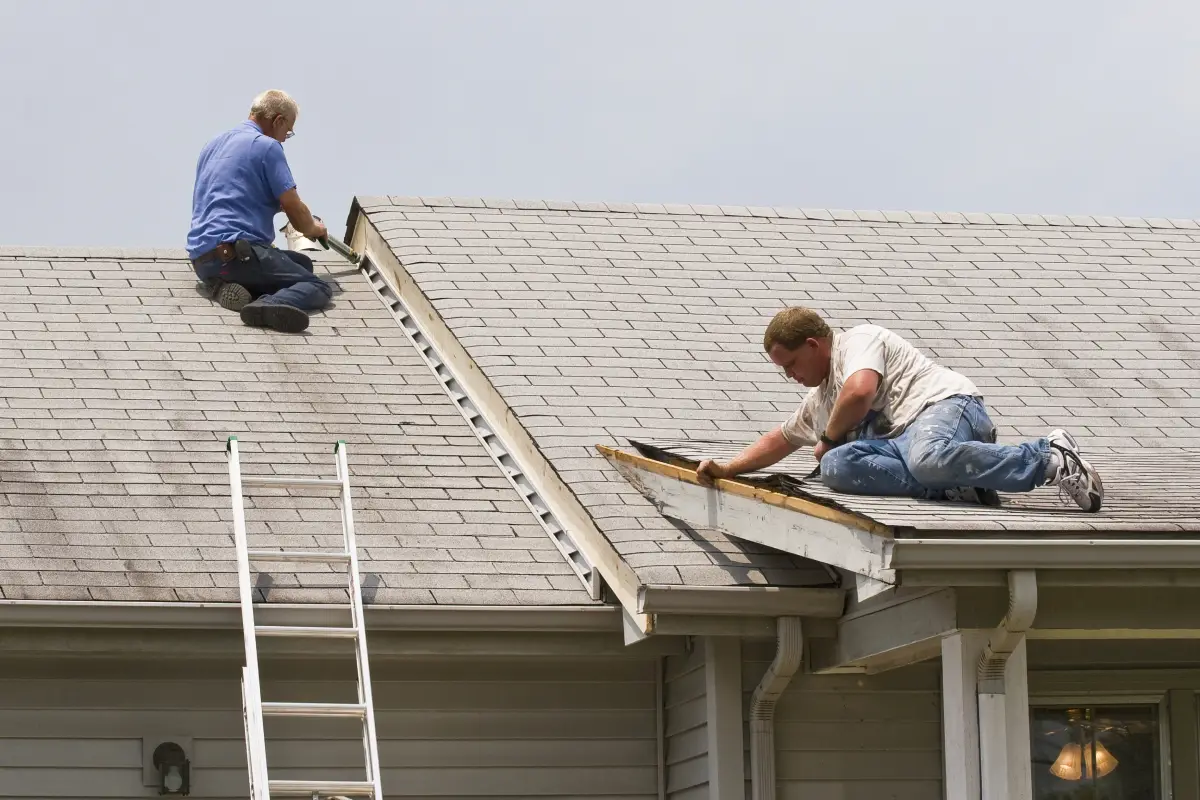
Years after a renovation is completed, the true cost of an upgrade often becomes much clearer. Features that seemed like excellent investments at installation can require ongoing repairs, frequent replacements, or specialized maintenance once a property has gone through several tenant cycles. Reviewing ownership expenses alongside a maintenance coordination overview frequently reveals that practical improvements provide stronger returns than luxury finishes.
In Menifee's residential rental market, successful renovation decisions are often tied to durability, flexibility, and ease of upkeep. Upgrades that continue performing well through years of occupancy can help owners reduce operating expenses while preserving tenant satisfaction.
Key Takeaways
- Durable materials often provide greater value than premium finishes.
- High-maintenance upgrades can increase ownership costs over time.
- Neutral designs usually remain appealing longer than trend-driven choices.
- Flexible layouts accommodate a wider range of renters.
- Practical improvements often support stronger long-term rental performance.
Why Long-Term Functionality Matters More Than First Impressions
Many renovation decisions are influenced by appearance. However, rental properties experience conditions that differ significantly from owner-occupied homes.
Tenant turnover, furniture movement, routine maintenance, and daily use gradually affect every surface within a property. As these factors accumulate, certain upgrades become more expensive to maintain than originally anticipated.
The U.S. Census Bureau reported a national rental vacancy rate of 7.1% in Q3 2025. With demand remaining steady, owners often benefit more from practical improvements than expensive features that require ongoing attention.
Hardwood Flooring Can Become a Long-Term Expense
Hardwood flooring remains a popular upgrade because it adds visual appeal and perceived value. Yet rental housing creates challenges that can shorten its useful lifespan.
Foot traffic, furniture movement, pets, and everyday use gradually wear down wood surfaces. Even careful tenants contribute to long-term deterioration.
Refinishing Can Increase Operating Costs
Unlike many modern flooring products, hardwood often requires refinishing to maintain its appearance. These projects can add labor costs and increase vacancy periods.
Owners following developments in smart rental home features often discover that functionality and durability provide greater long-term value than premium finishes alone.
A More Durable Alternative
Luxury vinyl plank flooring offers several advantages:
- Better scratch resistance
- Easier maintenance
- Lower replacement costs
- Improved moisture protection
These benefits make it well-suited for rental properties.
Premium Carpet Often Requires Earlier Replacement
High-end carpeting may feel comfortable when installed, but rental occupancy can accelerate wear and tear.
Traffic patterns become visible over time, particularly in hallways and living rooms. Odors and stains may persist despite professional cleaning.
Replacement Costs Add Up
Carpet often reaches a point where replacement becomes more practical than repair. Across multiple lease cycles, these recurring costs can significantly affect profitability.
Many owners complete a rental property evaluation before planning upgrades because flooring expenses frequently influence long-term returns.
Hard-surface flooring solutions often provide stronger value over time.
Custom Cabinet Finishes Can Become Difficult to Maintain
Custom cabinetry can make a kitchen stand out, but specialized finishes often create future maintenance challenges.
Cabinet doors, handles, and corners receive constant use. Over time, chips, scratches, and fading become increasingly noticeable.
Matching Existing Finishes Can Be Challenging
A common issue occurs when original paints or stains are no longer available. Minor repairs can evolve into larger refinishing projects.
Why Simpler Cabinet Designs Last Longer
Straightforward cabinet styles often provide:
- Easier touch-ups
- Lower repair expenses
- Timeless appearance
- Broad renter appeal
These qualities can help reduce renovation costs throughout the property's lifespan.
Designer Fixtures Can Create Future Maintenance Issues
Decorative lighting and specialty hardware often attract attention during showings, but they may create ongoing maintenance concerns.
Lighting remains one of the most frequently used systems within a home. According to the U.S. Energy Information Administration, lighting accounts for approximately 3.4% of electricity use in American households.
Frequent use naturally increases wear on fixtures and components.
Common Problems Owners Encounter
Specialty fixtures may require proprietary bulbs, custom finishes, or hard-to-find replacement parts.
Owners who incorporate tools such as a modern tenant portal often focus on operational efficiency, making standardized fixtures a practical choice that simplifies future maintenance.
Trend-Focused Kitchens Can Lose Appeal Quickly
Kitchen renovations often represent one of the largest investments within a property. Yet highly customized designs may not remain desirable for long.
Bold cabinet colors, specialty backsplashes, and niche finishes can lose popularity as renters' preferences change.
Timeless Design Choices Often Provide Better Value
Neutral finishes and functional layouts typically remain attractive longer while simplifying future updates.
Rather than following short-term trends, many successful owners prioritize versatility and broad appeal. This approach helps maintain property competitiveness without requiring frequent cosmetic renovations.
Understanding how rental floor plans influence living can also help owners make renovation decisions that remain useful over time.
Built-In Features May Limit Future Flexibility
Custom-built-ins can appear valuable during renovation planning, but they often reduce flexibility for future tenants.
Every household has different storage needs, furniture arrangements, and lifestyle preferences.
Potential Drawbacks
Permanent built-ins may create:
- Reduced room flexibility
- More difficult repairs
- Limited furniture placement options
- Narrower tenant appeal
Properties that remain adaptable often attract a broader range of renters.
Owners monitoring vacant properties through a property watch service frequently recognize the value of maintaining flexible spaces that work for many different occupants.
Luxury Bathrooms Often Require Additional Upkeep
Bathrooms experience constant exposure to moisture, cleaning products, and daily use. Premium finishes often demand more maintenance than expected.
Frameless glass showers, custom fixtures, and specialty tile work can become expensive to maintain throughout a property's life.
Common Maintenance Concerns
Owners often encounter:
- Water spot buildup
- Mineral deposits
- Grout discoloration
- Specialty replacement parts
These issues can increase maintenance expenses during every lease cycle.
Practical Materials Often Deliver Better Results
Durable bathroom materials generally provide:
- Easier cleaning
- Faster repairs
- Lower maintenance costs
- Longer service life
These benefits can support stronger long-term performance.
FAQs about Rental Renovation Decisions in Menifee, CA
What should owners evaluate before investing in a major rental renovation?
Owners should consider maintenance requirements, expected lifespan, tenant demand, replacement costs, and long-term usability. Renovations that perform well under daily use often provide greater value than highly specialized upgrades.
Can durable materials improve a property's profitability over time?
Yes. Materials that require fewer repairs and less frequent replacement can reduce operating expenses while helping owners preserve rental income across multiple lease cycles.
Why do some expensive upgrades fail to meet expectations in rental housing?
Luxury features often experience more wear than anticipated and may require specialized maintenance. Over time, recurring upkeep costs can reduce the financial benefits of the original investment.
How can owners balance tenant appeal with maintenance efficiency?
Focusing on practical layouts, durable finishes, and reliable fixtures often creates a positive living experience while helping owners maintain predictable maintenance expenses.
When is it appropriate to replace an older renovation feature?
Replacement becomes worth considering when repair costs increase, maintenance demands grow, or the feature no longer supports efficient property operations and tenant satisfaction.
Lasting Rental Value Starts With Better Upgrade Decisions
Every upgrade eventually faces the test of everyday living. Tenant turnover, maintenance demands, and years of occupancy often reveal whether a renovation was a lasting investment or simply an expensive short-term improvement. Owners who evaluate projects through the lens of lifecycle costs are often better positioned to preserve cash flow and avoid unnecessary future expenses.
PMI Smarter Solutions works with residential property owners throughout Menifee to identify practical improvements that support efficient operations and sustainable property performance. Whether you're planning renovations, preparing for a turnover, or evaluating future maintenance needs, our team can help you make informed decisions based on long-term ownership goals. When you're ready to reduce maintenance complexity and improve property efficiency, unlock greater value from property maintenance with support designed for Menifee rental properties.
